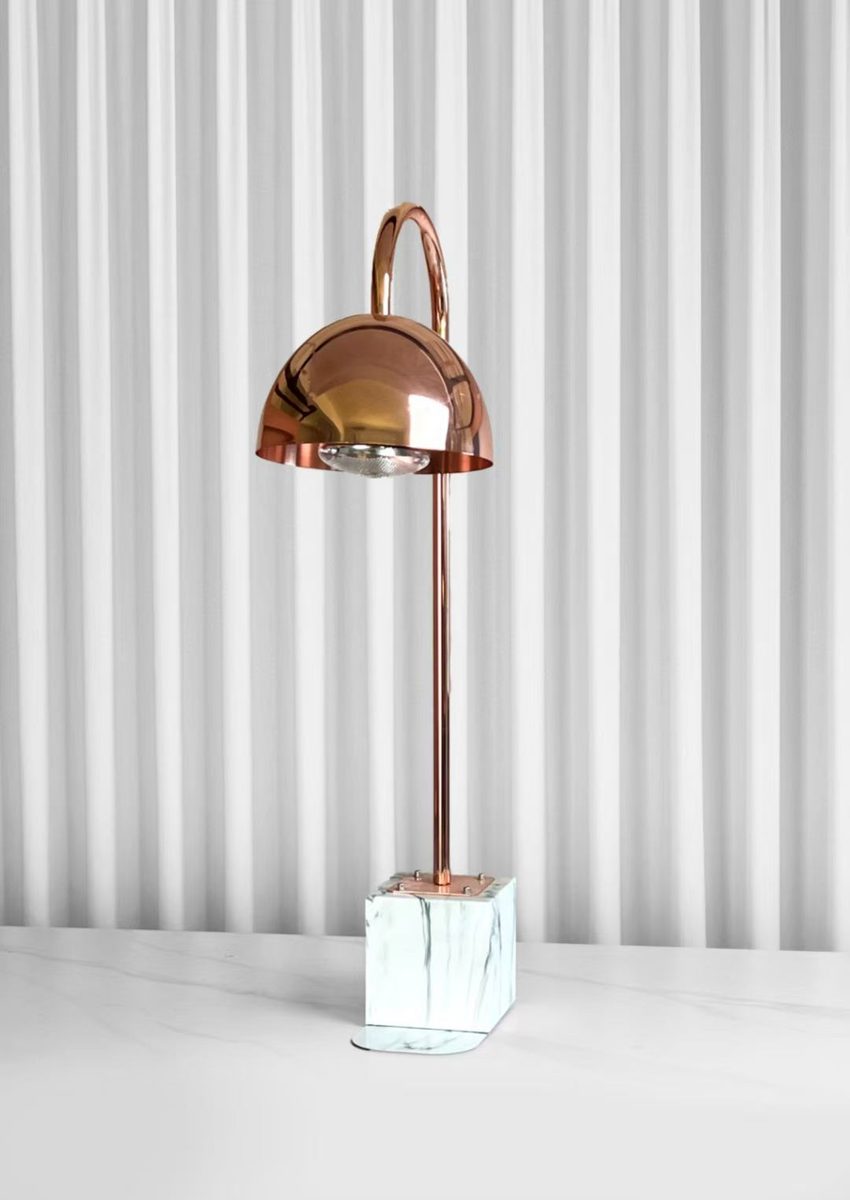
A heat lamp warming station keeps bread, pastries, and other ready-to-serve items warm on the buffet line using radiant heat from lamps mounted above the food. Unlike a chafing dish, which holds food in a heated pan, a warming station works in the open: guests can see the food, reach it easily, and serve themselves, while the lamps hold it at a pleasant serving temperature. This guide explains how warming stations work, where they fit on a buffet, and how to use one well so your bread stays warm and your pastries stay inviting from the first guest to the last.
1. Understand what a warming station does — and what it does not do
A heat lamp warming station holds food at serving temperature; it does not cook food and it does not reheat cold food safely. That distinction matters, because it decides how your kitchen prepares items before they reach the line. Bread, croissants, rolls, and pastries should arrive at the station already warm, and the lamps then slow down the cooling so the last guest gets food that is nearly as warm as the first guest did.
Because the food sits in the open, a warming station is best for items that are served quickly and replenished often. It is not the right tool for a dish that will sit untouched for an hour, or for anything that needs a covered, humid environment to stay at its best. Used for the right items, it is one of the most effective pieces of equipment on a breakfast or brunch buffet, because warm bread is one of the first things guests notice — and one of the first things they remember.
2. Place the station where guests naturally pause
The best position for a warming station is near the start of the buffet line, close to where guests pick up their plates. Bread is usually one of the first things a guest takes, so the station should be easy to reach without blocking the flow behind it. Put it where the light from the lamps is visible from the queue — the warm glow is part of the display, and it draws the eye toward the food.
Leave clear space on both sides of the station. Guests need room to stand, choose, and move on, and a server needs access from behind to replenish the baskets and trays. A warming station squeezed into a corner, or pushed against a wall with no service access, will spend half the service half-empty because nobody can refill it quickly. When you plan your line, mark the station’s footprint on the table plan, including the space the lamps need above the food, and check that nothing — a hanging sign, a shelf, a tall centrepiece — hangs low enough to interfere with it.
3. Keep the food at the right distance from the lamps
The distance between the lamps and the food is the single most important setting on a warming station. Too close, and the tops of rolls and pastries dry out, harden, or colour too much; too far, and the heat does not reach the food at all. The right distance depends on the design of the station and the type of food, so follow the supplier’s guidance for the model you source, and test it with your actual menu before the first service.
A practical test is simple: load the station with the bread and pastries you will serve, switch the lamps on, and check the food after ten minutes, then after twenty. The tops should feel warm to the touch without being hot or dry, and the crumb should stay soft. If the surface hardens, the food is too close to the lamps or has been sitting too long; move it down, reduce the exposure, or replenish in smaller batches. Small, frequent replenishment beats one large load every time, because fresh items spend less time under the lamps and always look their best.
4. Choose the right containers for the station
What sits under the lamps matters as much as the lamps themselves. Open wire baskets let heat and air circulate around bread and pastries, which keeps crusts from going soft, and they make the display look generous and rustic. Solid trays hold heat differently and suit items that need a flat base. Woven baskets add warmth and texture to the display and work well for bread and rolls; see our guide to woven dim-sum baskets and serving pieces for how woven pieces can be used across a buffet.
Whatever container you choose, it should fit the station’s footprint with room to spare. A basket that overhangs the heated area leaves part of the food cold, while a tray that is far smaller than the station wastes the heated space. Before you order a station, measure the baskets and trays you already use, or plan to source them together so the sizes match. A station supplied with matching wire baskets — like a warming station with heat lamps and wire baskets — is usually the simplest option, because the pieces are designed to work together.
5. Manage replenishment in small, frequent batches
The enemy of a warming station is a large batch left to sit. Bread that has been under the lamps for forty minutes will never taste as good as bread that arrived five minutes ago, no matter how good the equipment is. The fix is operational: hold back-up stock in the kitchen or in a warmer behind the line, and top up the station in small batches, little and often.
This is easier if the station is positioned with service access from behind, so a team member can replenish without reaching across the guests. Agree the routine before service: who checks the station, how often, and what the trigger is for a top-up. A simple rule — refill when a basket is about half empty, not when it is empty — keeps the display looking full and keeps the food fresh. It also means guests never find an empty basket and assume the item has run out.
6. Keep the station clean and safe through service
Heat lamps and food service need care. Crumbs fall, butter melts, and a station that is not wiped down between services quickly looks tired. Build a wipe-down of the lamp housing, the frame, and the baskets into your reset routine, and check the lamps themselves regularly: a lamp that has dimmed or failed leaves a cold spot that is easy to miss until a guest complains.
Safety is straightforward but non-negotiable. Keep the station stable on a flat surface, keep its power supply away from spills and guest traffic, and keep flammable items — paper napkins, linen, decorative greenery — clear of the lamps. Train the team that the lamps are hot during service and stay hot for a while afterwards, so nobody grabs a housing to move it while it is still warm. When you source a station, ask your supplier about cleaning, lamp replacement, and safe placement, and confirm the power requirements for your property before you order, since these vary by market and by model.
7. Pair the warming station with the rest of the buffet
A warming station works best as part of a planned line, not as a standalone piece. It sits naturally beside the bread and pastry display, close to the toaster or the coffee station, and within easy reach of the buffet risers and display stands that lift the rest of the table into view. The warm light from the lamps ties the whole display together visually, especially at breakfast, when the room is still dim and the buffet is the brightest thing in it.
Think about the full hot-food picture, too. A warming station handles bread and pastries; hot mains belong in chafing dishes. If you are planning both, read our guides on how to choose a chafing dish and induction versus fuel chafing dishes so the two systems complement each other instead of competing for the same table space. A line that is planned as a whole — risers for height, chafing dishes for hot mains, a warming station for bread — serves faster, looks better, and is easier for your team to run.
8. Test before you commit to a model
A warming station is a working piece of equipment, and the only way to know it suits your operation is to test it with your food, your baskets, and your service rhythm. Before you order in quantity, ask your supplier for the details that decide the fit: the heated area and overall footprint, the height of the lamps above the food, how the lamps are replaced, how the station cleans, and how it stores. Then run a trial service — or at least a trial setup — with your actual menu, and watch how the food holds up over the length of a real service.
Note what you learn: which items hold well under the lamps and which do not, how often replenishment is needed, and whether the station’s footprint fits the table you planned. That trial is what turns a catalogue purchase into a piece of equipment your team trusts, and it is the information your supplier needs to quote the right model and quantity for the rest of your properties.
Comparing warming options for the buffet
| Buffet need | Best option | Why it works | Watch out for |
|---|---|---|---|
| Bread and pastries at breakfast | Heat lamp warming station | Open display, warm glow, easy self-service | Food dries out if left too long — replenish often |
| Hot mains for a banquet | Chafing dish | Covered pan holds heat and moisture | Needs a low, stable base — not a tall stand |
| Cold salads and desserts | Raised display, chilled tray | Visible, accessible, stays cool | Keep out of the warming station’s heat |
| Small pastries and rolls | Warming station with wire baskets | Air circulates, crusts stay crisp | Baskets must fit the heated area |
| A full breakfast line | Warming station plus chafing dishes | Each system does what it does best | Plan table space for both before ordering |
| Fast room turnarounds | Station that wipes down and stores easily | Quick reset between services | Lamp housings that trap crumbs |
What to include in your enquiry
When you ask a supplier for a quote on a heat lamp warming station, a complete enquiry gets you a faster, more accurate answer. Copy and adapt this checklist:
- [ ] How many buffet lines or properties the stations are for, and how many stations each line needs
- [ ] The items you will keep warm — bread, pastries, rolls, or other ready-to-serve food
- [ ] The size of the baskets or trays that must fit under the lamps
- [ ] The footprint available on your buffet table, including the height clearance above it
- [ ] The power supply available at your property, so the supplier can confirm compatibility
- [ ] Whether you need matching wire baskets supplied with the station
- [ ] How the station cleans, how lamps are replaced, and how it stores
- [ ] Delivery destination, including country and city, and any labelling or packing requirements
- [ ] Your target date for the first service
Send the list with a photo or sketch of your buffet layout if you have one — a supplier who can see the table will recommend the right station instead of guessing.
Frequently asked questions
What food is best kept warm in a heat lamp station?
Bread, rolls, croissants, pastries, and other ready-to-serve baked items hold best, because they are served quickly and look appealing under warm light. Hot mains belong in chafing dishes, and cold items should stay well away from the lamps.
Does a warming station cook the food?
No. A heat lamp warming station holds food that is already warm at serving temperature. Food should arrive at the station already heated; the lamps slow down cooling rather than cooking or reheating.
How long can bread stay under heat lamps?
It depends on the item and the distance from the lamps, but as a working rule, small frequent batches always beat one large batch left to sit. Refill when a basket is about half empty, and check the food after ten to twenty minutes during a trial service to find what holds best for your menu.
Will pastries dry out under heat lamps?
They can, if they sit too close to the lamps or too long. Keep the food at the distance your supplier recommends, replenish in small batches, and test with your actual pastries before the first service. Items with a delicate surface may be better served from a covered display.
Can I use woven baskets in a warming station?
Yes — open woven and wire baskets work well because air circulates around the food and the display looks warm and generous. Make sure the baskets fit the heated area, and keep them clear of direct contact with the lamps.
What power supply does a warming station need?
Power requirements vary by model and by market, so this must be confirmed for your property before you order. Tell your supplier what power supply is available at the station’s position and ask them to confirm compatibility in writing.
How do I clean a heat lamp warming station?
Wipe the frame, the lamp housing, and the baskets between services, and let the lamps cool before handling them. Check the lamps regularly for dimming or failure, and ask your supplier how replacement lamps are sourced for your model.
Where should a warming station sit on the buffet line?
Near the start of the line, close to where guests pick up plates, with clear space on both sides and service access from behind. The warm light draws the eye, so a visible position helps the display as well as the service.
Can one warming station serve a whole banquet?
It depends on the size of the service. A large banquet may need more than one station, or a station plus additional chafing capacity, so the bread display never becomes a bottleneck. Plan the full line — risers, chafing dishes, and warming stations — as one layout.
What information does a supplier need to quote a warming station?
The items you will keep warm, the size of the baskets or trays, the footprint and height clearance on your table, the power supply available, the quantity you need, your delivery destination, and your target date. A photo of your buffet layout helps the supplier recommend the right model.
How Laiwen HORECA can help
Laiwen HORECA works as a sourcing partner for hotels, restaurants, and catering buyers who need buffet equipment that fits their actual service. If you are planning a breakfast line or upgrading a banquet buffet, send your table plan, the items you need to keep warm, and the footprint available, and Laiwen will source a warming station — including buffet warming stations with heat lamps and wire baskets — and quote it for your property. Everything is enquiry-led: there are no fixed prices to look up, so you get a quote built around your quantities and your delivery destination. To start, email [email protected] or message WhatsApp +86 189 9829 7649 (backup +86 134 1816 4320). Browse the wider range in Buffet & Catering Supplies and plan the rest of your line with our guides to buffet risers and chafing dishes.