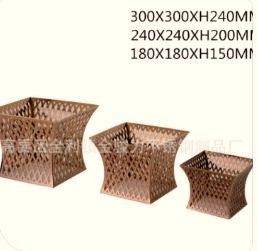
A woven dim-sum basket is a shallow, round, woven serving piece traditionally used to steam and serve dim sum, and in a modern hotel or restaurant it has grown into something wider: a warm, textured way to present bread, pastries, small plates, and sharing dishes on a buffet or at the table. The woven surface looks inviting in a way that plain steel and porcelain do not, and it signals to guests — before they taste anything — that the food is fresh, handmade, and worth slowing down for. This guide explains how to choose woven serving pieces, how to use them well, and what to confirm with your supplier before you order.
1. Start with how the basket will actually be used
Before you choose a basket, decide its job. A basket used at the table for dim sum needs to sit flat, hold its shape under a lid, and survive being passed between guests. A basket used on a buffet for bread needs to display well, let air circulate, and be easy to refill quickly. A basket used as a serving piece for sharing plates needs to be wide enough for the food and stable enough to carry. The same woven piece can sometimes do more than one of these jobs, but it is rarely perfect for all of them, so start from the main use and let the secondary uses follow.
Think about the full service, too. If the baskets will appear at breakfast, lunch, and dinner, they need to suit all three menus — a basket that is perfect for morning pastries may be too small for an evening sharing platter. List the dishes you plan to serve in the baskets, and the setting they will be used in, before you look at any product. That list is also what your supplier will need to recommend the right pieces and quantities.
2. Check the size against the food — and confirm it on enquiry
Size is the most common mistake with woven serving pieces. A basket that is too small crowds the food, makes it hard for guests to serve themselves, and looks ungenerous. A basket that is too large for its contents leaves the food rattling around and the display looking half-empty. Measure the dishes you plan to serve — the bread rolls, the pastry selection, the sharing plates — and compare them with the basket sizes on offer.
Sizes for woven basket sets are confirmed on enquiry, because the right size depends on the set, the weave, and the dishes you serve. When you enquire, send the dimensions of the food and the serving pieces you already use, and ask the supplier to confirm the basket sizes that fit them. Do not assume a size from a photograph: a basket photographed on its own gives no sense of scale, and a basket photographed next to a plate gives only a rough impression. Confirm the sizes in writing before you order, and ask for the full size range of the set so you can plan which pieces go where on the table.
3. Look at the weave, the rim, and the base
The weave is what guests see first, so look at it closely. A tight, even weave looks refined and holds small items securely; a looser, more open weave looks rustic and lets steam and air pass through more freely. Neither is better in general — the right choice depends on the food and the style of your dining room. What matters is consistency: the weave should be even across the whole piece, with no loose ends, gaps, or fraying at the rim.
Check the rim and the base in particular. The rim is the part guests touch and the part that takes the most wear, so it should be firm and finished, not rough or splitting. The base should be flat and stable — a basket that rocks on the table will spill food and frustrate servers. If the basket will be carried by hand, check that it holds its shape when lifted with food inside. These are simple checks, but they are the difference between a serving piece that lasts a season and one that lasts for years.
4. Decide how the baskets will be cleaned and stored
Woven serving pieces need a cleaning routine that suits the material. They should be brushed or wiped clean after each service, kept dry, and stored where air can circulate, so they do not trap moisture or odours. Ask your supplier how the specific pieces you are considering should be cleaned, and whether they can be used with liners — a paper or cloth liner can protect the weave, make cleaning faster, and give the display a finished look.
Storage matters just as much. Woven baskets stack or nest best when they are a matched set, and a set that nests tightly takes up far less shelf space than a collection of mismatched pieces. Before you order, check how the set stores, and whether a damaged piece can be replaced from the same set, so one broken basket does not leave you with an incomplete display. A supplier who can re-supply the same design later is worth more than a one-off bargain that cannot be matched.
5. Use baskets to add warmth to the buffet display
On a buffet, woven baskets do a job that steel and porcelain cannot: they soften the display. A line of chafing dishes and steel trays can look efficient but cold; a woven basket of bread, a woven serving piece beside the salads, or a set of baskets at the pastry station adds texture and warmth that makes the whole table feel more generous. The contrast is the point — woven pieces look best alongside smooth, hard surfaces, not instead of them.
Place woven baskets at a low to mid level on the display, where guests can reach them easily. They pair naturally with buffet risers and display stands, which lift the harder serving pieces into view while the baskets anchor the lower level. They also sit well under a heat lamp warming station, where the warm light picks up the texture of the weave and the open structure lets heat and air circulate around bread and pastries. Keep the baskets clear of direct contact with heat sources, and keep them away from wet dishes that could soak the weave.
6. Plan baskets for table service as well as the buffet
Woven baskets are not only a buffet piece. At the table, a basket of warm bread is one of the simplest and most effective gestures in hospitality, and a woven serving piece for sharing dishes turns a plate of food into a small occasion. If you plan to use the same baskets at the table and on the buffet, think about the quantity you need: table service uses more pieces at once, because every table needs its own, while a buffet needs fewer, larger pieces.
Count the tables, not just the buffet positions, when you work out your order. A restaurant with twenty tables that wants a bread basket on each one needs at least twenty baskets, plus spares for the ones in cleaning and the ones that get damaged. That count is the number your supplier will ask for, and it is worth getting right before you request a quote, because ordering too few means some tables go without, and ordering too many of the wrong size means pieces that never get used.
7. Match the baskets to the rest of your tableware
A woven basket should belong on your table. That means its tone and texture should sit comfortably alongside your plates, your cutlery sets, and your serving pieces, rather than clashing with them. A warm, natural weave suits a classic dining room and a breakfast buffet; a darker, tighter weave suits a modern restaurant. The specific match matters less than consistency — a table where every woven piece shares the same tone and weave reads as planned, while a mix of unrelated baskets reads as improvised.
If you are sourcing baskets as part of a wider tableware order, ask your supplier to recommend pieces that sit well with the rest of the range. A sourcing partner who can see the whole order — baskets, risers, chafing dishes, cutlery — will give you better advice than a supplier who only sees one line item, because the pieces have to work together on the same table.
8. Order with spares and a plan to re-order
Woven serving pieces are working equipment, and they wear. A basket that is used every day will eventually need replacing, and a set that cannot be matched is a set that slowly falls apart. When you place your first order, include a small number of spares in the sizes you use most, and confirm with your supplier that the same design can be re-ordered later. That confirmation is worth getting in writing, because it protects your display from drifting into a mix of near-matches over time.
Also confirm what happens if a piece arrives damaged or does not match the size you confirmed. A clear understanding of replacements and returns before you order is far easier than a dispute after the goods have arrived. A good sourcing partner will confirm sizes, quantities, and replacement terms as part of the quote, not as an afterthought.
Comparing woven serving pieces for hotels and restaurants
| Use | What to look for | Good fit | Watch out for |
|---|---|---|---|
| Dim sum at the table | Flat, stable base; firm rim; even weave | A matched set that sits well under a lid | A basket that rocks or has a rough rim |
| Bread on the buffet | Open weave for air circulation; generous size | A basket that displays bread invitingly | A basket too small for the rolls you serve |
| Pastries at breakfast | A piece that pairs with a warming station | Woven texture under warm light | Direct contact with heat sources |
| Sharing dishes | A wide, stable piece that holds its shape when carried | A basket sized to the dish, not the table | A loose weave that lets small items slip |
| A full buffet display | A matched set in a consistent tone | Baskets that anchor the low level beside risers | Mixed tones that read as improvised |
| High-turnover service | Pieces that clean and store easily | A set that nests and can be re-ordered | A design that cannot be matched later |
What to include in your enquiry
When you ask a supplier for a quote on woven dim-sum baskets and serving pieces, a complete enquiry gets you a faster, more accurate answer. Copy and adapt this checklist:
- [ ] How the baskets will be used — table service, buffet, or both — and for which dishes
- [ ] The size of the food and serving pieces the baskets must hold, so sizes can be confirmed on enquiry
- [ ] How many baskets you need, including spares and one per table if used at table service
- [ ] The tone and weave style you want, and whether the whole set must match
- [ ] Whether you need lids, liners, or matching serving pieces with the set
- [ ] How the baskets clean and store, and whether they nest or stack
- [ ] Whether the same design can be re-ordered later for replacements
- [ ] Delivery destination, including country and city, and any labelling or packing requirements
- [ ] Your target date for the first service
Send the list with a photo of the dishes you plan to serve in the baskets if you have one — a supplier who can see the food will recommend the right sizes instead of guessing.
Frequently asked questions
What is a woven dim-sum basket used for?
Traditionally, dim-sum baskets are used to steam and serve dim sum at the table. In hotels and restaurants they are also used as serving pieces for bread, pastries, small plates, and sharing dishes, on the buffet and at the table, because the woven texture presents food warmly.
What size dim-sum basket do I need?
It depends on the food you serve and the setting. Sizes are confirmed on enquiry: send your supplier the dimensions of the dishes the baskets must hold and ask them to confirm the basket sizes that fit. Do not rely on a photograph for scale — confirm the sizes in writing before you order.
Can woven baskets be used on a buffet?
Yes. They work well at a low to mid level on a buffet display, especially for bread and pastries, and they pair naturally with buffet risers and with a heat lamp warming station. Keep them clear of direct contact with heat sources and away from wet dishes.
How do I clean woven serving pieces?
Brush or wipe them clean after each service, keep them dry, and store them where air can circulate. Ask your supplier for the cleaning guidance for the specific pieces you order, and consider using liners to protect the weave and speed up cleaning.
Do woven baskets work with lids?
A matched set will usually include or offer lids that fit the baskets. If you need lids — for example, to keep dim sum warm at the table — say so in your enquiry, so the supplier confirms the lid size matches the basket size.
Can I use the same baskets at the table and on the buffet?
Often yes, but count both uses when you order. Table service needs one basket per table plus spares, while a buffet needs fewer, larger pieces. Ordering for both uses from the same matched set keeps the tone and weave consistent across the property.
Will woven baskets match my other tableware?
They should sit comfortably alongside your plates, cutlery, and serving pieces. Choose a tone and weave that suits your dining room, keep the whole set consistent, and ask your supplier to recommend pieces that work with the rest of your order.
How many baskets should I order?
Count your tables if the baskets will be used at table service, count your buffet positions if they will be used on the line, and add spares for cleaning and damage. The number depends on your property, so work it out from your floor plan and your menu before you request a quote.
Can I re-order the same baskets later?
Ask your supplier to confirm this before you order. A design that can be re-ordered protects your display from drifting into mismatched pieces over time, and it means a damaged basket can be replaced rather than forcing a whole new set.
What information does a supplier need to quote woven baskets?
How the baskets will be used, the size of the food they must hold, the quantity you need including spares, the tone and weave you want, whether you need lids or liners, your delivery destination, and your target date. Sizes are confirmed on enquiry, so include the dimensions of your dishes.
How Laiwen HORECA can help
Laiwen HORECA works as a sourcing partner for hotels, restaurants, and catering buyers who need serving pieces that fit their actual menu and service. If you are planning a dim-sum service, a bread display, or a wider buffet refresh, send the dishes you plan to serve, the setting they will be used in, and the quantities you need, and Laiwen will source a woven basket set — including woven dim-sum basket sets — confirm the sizes on enquiry, and quote it for your property. Everything is enquiry-led: there are no fixed prices to look up, so you get a quote built around your quantities and your delivery destination. To start, email [email protected] or message WhatsApp +86 189 9829 7649 (backup +86 134 1816 4320). Browse the wider range in Buffet & Catering Supplies and plan the rest of your display with our guides to buffet risers and heat lamp warming stations.